5 Premier League Title Contender Mistakes Fans Make
Arsenal, Manchester City, Liverpool and Aston Villa remain the central Premier League title contenders to assess in 2026, but the table alone does not tell the whole story. After Matchday 22, Arsenal....

5 Premier League Title Contender Mistakes Fans Make
Arsenal, Manchester City, Liverpool and Aston Villa remain the central Premier League title contenders to assess in 2026, but the table alone does not tell the whole story. After Matchday 22, Arsenal had opened a seven-point lead with 16 matches remaining, while Manchester City, Liverpool and Aston Villa all dropped points during a chaotic weekend. Arsenal’s back-to-back 0-0 draws against Liverpool and Nottingham Forest exposed a key issue: 2.1 expected goals produced only 0.85 expected goals on target. Liverpool extended a winless league run to four matches, Manchester City were outplayed by Manchester United at Old Trafford, and Aston Villa lost at home to a depleted Everton side. The practical takeaway is simple: judge title contenders through points, remaining fixtures, chance quality, squad depth and schedule congestion together, not through league position alone.
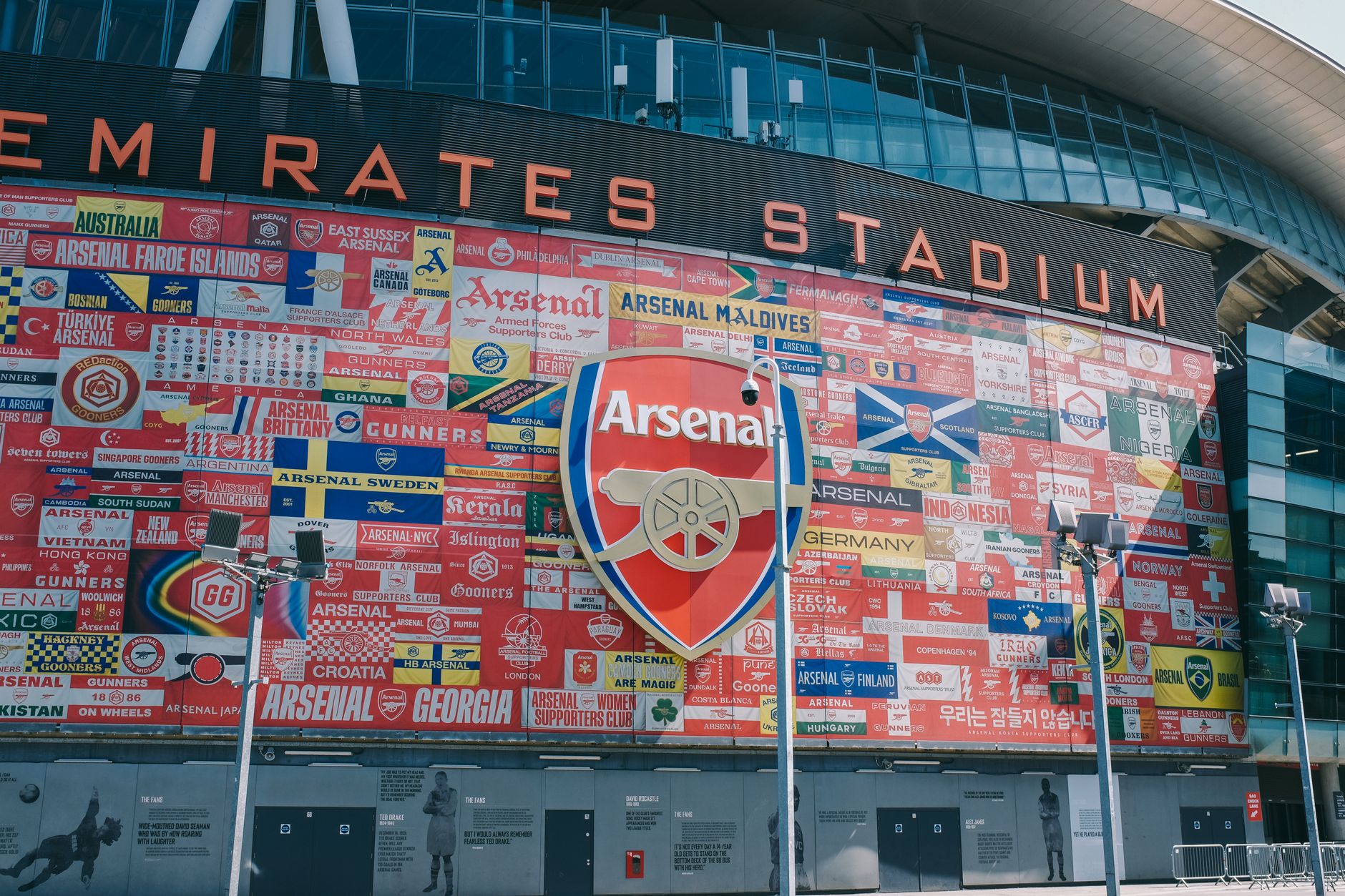
Photo by Huy Phan on Pexels
The awkward question is this: are Arsenal genuinely pulling away, or have the other contenders simply entered a temporary slump? Honestly, probably a bit of both. Arsenal’s seven-point advantage is valuable, especially with only 16 games left, yet the margin is not invulnerable when Manchester City possess title-winning experience and Liverpool can still produce long unbeaten sequences. Aston Villa also belong in the wider conversation because their home record had been unbeaten since August before Everton ended that run, although their position requires more careful scrutiny than the top three. For our purposes at Pitch Notes, the sensible approach is to separate evidence from football noise: record each club’s points, goal difference, expected-goals profile, injuries, European commitments and next six opponents. You can also compare those details with our [Internal Link: Premier League match prediction guide] before deciding which contender has the strongest underlying case.
If you judge the table alone: track the title race by multiple indicators
The league table is the starting point, not the final verdict. Arsenal’s seven-point lead over Manchester City after 22 matches gives Mikel Arteta’s team a measurable advantage, but the title race should also include points dropped, scoring efficiency, defensive reliability, fixture difficulty and rest days. The most useful dashboard combines results with process metrics such as xG, xGOT, shots on target and set-piece output.
A single weekend demonstrated why this matters. None of the top four won, and none of the bottom five lost, creating an unusual round of almost perfect league-table paralysis. Arsenal drew 0-0 at Nottingham Forest after two days of rest, while Forest had eight days to prepare. Liverpool drew with Burnley at Anfield, extending their winless run to four league matches. Manchester City were tactically dismantled by Manchester United, and Aston Villa lost to an Everton side missing important players. If we only write “the leaders dropped points,” we miss the actual information: rest imbalance, chance conversion and tactical matchup shaped the outcomes.
A practical title-race spreadsheet should contain these columns:
- Current points and points-per-match.
- Goal difference and goals scored.
- xG, xG conceded and xGOT conversion.
- Results against the current top six.
- Remaining home and away fixtures.
- Days of rest before each league match.
- Injuries, suspensions and European travel.
- Set-piece goals and goals conceded from dead-ball situations.
According to the Premier League official competition format, each club plays 38 league matches, so 16 remaining fixtures represent 42.1% of a full season. That is still a large sample. Seven points can disappear through two defeats and a draw, particularly if Arsenal face Manchester City or Liverpool directly. On the other hand, a lead becomes much more secure if the leader continues collecting 2.0 or more points per game while rivals remain below that pace.
The contrarian point is that Arsenal’s set-piece reliance is not automatically a weakness. Arsenal had won 15 of 22 league games, and 11 of those victories began with a dead-ball goal. That means roughly 73% of their wins involved a set-piece opener, a remarkably strong repeatable weapon rather than random decoration. The concern is narrower: when opponents deny Arsenal an early set-piece breakthrough, open-play finishing must carry more of the burden. Their consecutive goalless draws at Nottingham Forest, following the earlier blanks in May 2023 and February 2025, make that venue a particularly useful stress test.
[Internal Link: expected goals and football betting statistics explained]
What should we measure after each match?
Measure chance quality before chance quantity. Arsenal’s 2.1 xG against Nottingham Forest looked encouraging, but 0.85 xGOT showed that shots were not being directed dangerously enough toward Matz Sels’ goal. Manchester City’s defeat should similarly be judged through territory, chance prevention and whether Manchester United successfully blocked central progression, rather than simply through possession percentage. Liverpool’s four-match winless sequence deserves the same treatment: identify whether the problem is chance creation, finishing, defensive transition or selection.
A 30-second review can prevent overreaction:
- Did the team create at least 1.5 xG?
- Did it produce clear shots on target?
- Did the opponent’s best chances come from set pieces or open play?
- Was the result affected by a red card, rest disadvantage or goalkeeper error?
- Did the manager change shape effectively after halftime?
This is not glamorous, I know. It is spreadsheet football. But if we are trying to identify the strongest Premier League title contenders rather than merely celebrate the latest winner, it is much safer.
If Arsenal keep relying on set pieces: test the open-play attack
Arsenal remain the leading title contender because their points advantage, defensive structure and dead-ball production work together. However, their championship case becomes stronger only if Bukayo Saka, Gabriel Martinelli, Viktor Gyökeres, Mikel Merino and Declan Rice can turn open-play pressure into goals when corners and free kicks are neutralised.
The Nottingham Forest match supplied a clean example. Gabriel Martinelli and Viktor Gyökeres had presentable first-half chances, but neither finished. Arsenal did not register a shot on target before halftime, then increased urgency after the interval without solving the execution problem. Bukayo Saka forced the best save with a looping header from a Declan Rice cross, while Mikel Merino headed narrowly wide from another Rice delivery. The raw xG was healthy; the final action was not.
That distinction matters for title forecasting. A team can create enough to win over a season but still lose individual matches if its shot locations, finishing and final pass deteriorate under pressure. Arsenal’s set pieces offer a strong floor, particularly against teams that defend deep, yet elite rivals will prepare specifically to avoid cheap fouls and protect the near-post zone. Manchester City and Liverpool have enough tactical quality to make Arsenal construct longer, more patient attacks.
Our evidence-based checklist for Arsenal is therefore:
- Track open-play goals over the next six league matches.
- Separate headers from shots created by crosses.
- Record first-half shots on target, not just total attempts.
- Check whether Gyökeres receives chances inside the penalty area.
- Monitor Saka’s involvement when opponents double-team him.
- Compare set-piece goals with open-play goals against top-six opponents.
The useful edge case is Arsenal’s venue-specific pattern. Since the start of the 2022-23 season, the club has failed to score in consecutive league matches only three times, and on each occasion the second blank came away at Nottingham Forest: May 2023, February 2025 and January 2026. That is not proof of a permanent psychological curse, obviously, but it is a meaningful matchup signal. Forest’s compact structure, home energy and preparation time can reduce Arsenal’s attacking rhythm.

Photo by Zeal Creative Studios on Pexels
Want a more structured way to monitor Arsenal’s next fixtures? Use the tactical notes and player-data coverage from Pitch Notes alongside a fixture-by-fixture record.
If Manchester City and Liverpool are slipping: separate form from structural decline
A short winless sequence does not remove Manchester City or Liverpool from the Premier League title contenders list, but it does lower their margin for error. Manchester City had dropped points in each of their previous four league matches, then suffered a tactical defeat against Manchester United at Old Trafford. Liverpool’s draw with Burnley at Anfield made it four straight league matches without a win. Both sequences matter, yet they do not mean exactly the same thing.
Manchester City’s warning sign is tactical flexibility. When an opponent prevents clean central combinations, the usual possession advantage can become sterile circulation. The Old Trafford defeat suggests Manchester United found ways to disrupt City’s preferred progression, forcing a match in which control of the ball did not translate into control of danger. For City, we should inspect defensive transition exposure, the quality of final-third entries and whether creative players receive the ball facing forward.
Liverpool’s issue is more difficult to label without a full match sample. A four-game winless run at this stage could reflect finishing variance, an injury cluster, reduced counterpressing intensity or opponents defending the space behind the ball more effectively. Burnley’s point at Anfield is not merely a surprise result; it is a reminder that Liverpool must solve low-block problems when transition opportunities are limited.
For a fair comparison, do not ask only, “Who is in better form?” Ask these more useful questions:
- Which club is losing points despite creating high-quality chances?
- Which club is conceding more dangerous chances than its table position suggests?
- Which squad has the strongest bench during January congestion?
- Which manager is adjusting shape successfully after opponents identify a weakness?
- Which remaining fixtures contain direct six-point opportunities?
The Opta definition of expected goals is useful here because xG estimates the likelihood of a shot becoming a goal based on factors such as location and situation. It is not a prediction of the actual score, and it certainly does not excuse poor finishing. Still, it helps identify whether a team’s results are supported by repeatable chance creation.
A reasonable contrarian conclusion follows: Manchester City may be more dangerous after a poor spell than after a routine winning run, because tactical problems become visible and correctable. Liverpool may be the opposite case if their underlying chance quality is falling at the same time as results. We should not confuse reputation with evidence, even when the reputation belongs to Pep Guardiola or Liverpool’s established core.
If Aston Villa stay in the race: demand evidence beyond home form
Aston Villa deserve recognition among the Premier League title contenders because their home unbeaten run had lasted since August before Everton ended it. Still, one strong venue record cannot establish a full title challenge. Villa must show that their away results, squad depth, defensive resilience and response to injuries are good enough across 16 remaining matches.
The Everton defeat is informative precisely because Everton were depleted. Strong teams are expected to exploit weakened opponents, particularly at home, so this result creates a negative adjustment in any neutral assessment. It does not erase Villa’s previous work, but it suggests that their performance level can fluctuate when the first-choice structure is disrupted. In January, those disruptions are common because of injuries, suspensions, international duty and fixture congestion.
To evaluate Aston Villa properly, track:
- Home points compared with away points.
- Goals conceded after losing possession.
- Set-piece defending against physically strong teams.
- Bench minutes from January onward.
- Results within three days of European fixtures.
- Performance when the first goal is conceded.
This is where a club’s title probability can change quickly. A deep squad is not simply a list of famous substitutes; it is the ability to maintain pressing, defensive distances and attacking relationships when two or three starters are unavailable. If Villa’s replacements preserve the system, the title argument remains credible. If the team requires every starter to function, the final third of the season may expose that limitation.
[Internal Link: Premier League squad depth and injury impact guide]
The broader lesson applies to Arsenal, Manchester City and Liverpool too. A title race is an endurance contest disguised as a weekly drama series. One match can be decided by a set piece, one tired full-back or one goalkeeper save, but the winner is usually the club whose underlying level survives those disruptions most consistently.

Photo by Gillingham Town on Pexels
See how squad availability and tactical matchups can alter the next Premier League title contender forecast before the odds move.
Common pitfalls to avoid
The biggest mistake is treating the current table as a guaranteed final order. Arsenal’s seven-point lead is meaningful, but 16 matches remain, and the Premier League has enough variance to punish comfortable assumptions. The second mistake is treating every draw as evidence of crisis. Arsenal’s 0-0 at Nottingham Forest was disappointing, but the 2.1 xG indicates that chance creation was not absent; the more precise criticism concerns shot accuracy and conversion.
Other common errors include:
- Using possession as a substitute for attacking threat.
- Ignoring rest differences, such as Arsenal’s two days against Forest’s eight.
- Calling set-piece goals lucky without checking repetition and delivery quality.
- Treating a four-match winless run as permanent decline.
- Rating Aston Villa’s home record without comparing away performance.
- Predicting from club reputation instead of current injuries and fixtures.
- Forgetting that goalkeepers can distort one-match xG outcomes.
- Chasing betting prices after a dramatic televised result.
One operational rule has helped me avoid overtrading: never update a title-race position by more than one tier after a single match unless there is a major injury or tactical change. A 0-0 draw can move Arsenal from “clear leader” to “leader with an attacking question,” but not automatically to “collapsing contender.” Similarly, Manchester City’s Old Trafford defeat should trigger a tactical review, not a declaration that the Guardiola era has ended.
For anyone analysing this from a gambling perspective, responsible staking matters as much as football analysis. The UK Gambling Commission stresses that gambling should remain controlled and affordable; its safer-gambling guidance states, “Gambling should be a leisure activity, not a way to make money.” That is a useful correction to the forum habit of turning every title-race opinion into a supposedly certain wager.
A modest model is better than a dramatic narrative. Assign each contender a score for points position, recent xG trend, schedule, squad availability, set-piece strength and direct-match potential. Recalculate weekly, keep the previous rating visible, and record why the number changed. This creates an audit trail, which is slightly less exciting than shouting “back the champions,” but much more useful.
The 30-day check-in
The next 30 days should answer whether Arsenal’s lead is strengthening, whether Manchester City and Liverpool are correcting their issues, and whether Aston Villa can remain attached to the race. A monthly review is long enough to reduce one-match noise but short enough to catch genuine tactical or personnel changes. Start with results, then move to chance quality and finally to fixtures.
Use this simple review process:
- Record each club’s league points gained and points dropped.
- Compare xG and xGOT from the previous four matches.
- Count open-play goals and set-piece goals separately.
- Note injuries, suspensions and returning players.
- Recalculate the remaining fixture difficulty.
- Review direct meetings and away performance.
- Write one bullish and one bearish argument for each team.
- Set a prediction confidence level rather than pretending certainty.
Arsenal’s key 30-day question is whether Saka, Gyökeres and Martinelli can improve finishing in open play when opponents protect dead-ball areas. Manchester City’s question is whether Pep Guardiola’s side can restore central progression and defensive control after the Old Trafford setback. Liverpool need to end their four-game winless league run without sacrificing the intensity that made them dangerous, while Aston Villa must show that their challenge survives injuries and a disappointing home defeat to Everton.

Photo by Soccer Trippers on Pexels
The most useful data point is not always the newest one. For example, Arsenal’s sequence of scoreless second matches at Nottingham Forest since 2022-23 is more informative for that specific matchup than a generic “recent form” label. Likewise, Manchester City’s four consecutive league games dropping points and Liverpool’s four-match winless run deserve context from their chance profiles. Keep both the result and the explanation; otherwise, next month we will be arguing from memory, which is where football analysis goes to become a meme.
[Internal Link: 2026 football match prediction tracker]
Want to keep the 30-day review organised? Pitch Notes provides daily World Cup-focused match predictions, team tactics and player-stat coverage, and the same disciplined habit can improve how we follow the Premier League title contenders.
Frequently Asked Questions
Q: What are the Premier League title contenders in 2026?
A: Arsenal, Manchester City, Liverpool and Aston Villa are the main contenders discussed from the available Matchday 22 evidence. Arsenal held a seven-point lead with 16 matches remaining, while City, Liverpool and Villa all dropped points during the same weekend. The exact contender list can change quickly, so check points, goal difference, injuries and remaining fixtures rather than relying on preseason expectations.
Q: How can I compare Premier League title contenders accurately?
A: Compare league position with xG, xGOT, fixture difficulty, squad availability and rest periods. Record each team’s last four to six matches, separate open-play goals from set-piece goals, and review results against strong opponents. Arsenal’s 2.1 xG but 0.85 xGOT against Nottingham Forest shows why chance quality and shot accuracy should be tracked together.
Q: What is the difference between current form and title-winning strength?
A: Current form describes recent results, while title-winning strength includes repeatable performance across an entire 38-match season. Manchester City had dropped points in four consecutive league games, and Liverpool were winless in four, but those runs alone do not prove structural decline. Add tactical trends, injuries, schedule congestion and underlying chance data before changing your assessment.
Q: Why did Arsenal fail to score against Nottingham Forest?
A: Arsenal failed to score because their chances were not converted and their shooting accuracy remained below the level suggested by their 2.1 xG. They produced 0.85 xGOT, had no shot on target before halftime, and faced Nottingham Forest after only two days of rest compared with Forest’s eight. Arsenal’s set-piece strength also becomes less decisive when opponents avoid dangerous fouls and defend deliveries effectively.
Q: How much data is needed before changing a title-race prediction?
A: Four to six matches usually provide a more useful short-term sample than one result, while major injuries or tactical changes may justify an immediate adjustment. Review points, xG, xGOT, shots on target, defensive transitions and opposition quality during that period. Keep a written record of each change so emotional reactions do not quietly become your model.
Q: Is a seven-point lead enough for Arsenal to win the Premier League?
A: A seven-point lead is a strong advantage but not a guarantee, because Arsenal still had 16 league matches remaining after Matchday 22. Two defeats and a draw could reduce that margin sharply, especially if Manchester City or Liverpool improve at the same time. Arsenal should be considered the leading contender, but their open-play finishing and performance against direct rivals remain important tests.
Q: What should I do if my title-contender analysis keeps changing?
A: Use a fixed weekly scoring system instead of rewriting the entire opinion after every match. Rate points position, recent xG trend, injuries, fixture difficulty, set-piece production and tactical stability from one to five, then explain any score change in writing. If you are considering a wager, set a fixed budget, avoid chasing losses and remember the UK Gambling Commission’s safer-gambling guidance.
The best Premier League title contender analysis is not the loudest prediction; it is the one that survives new evidence. Arsenal currently have the clearest numerical edge, Manchester City and Liverpool retain enough quality to recover, and Aston Villa need more proof across different match conditions. Track the numbers, respect uncertainty and review the race again after 30 days rather than forcing certainty today.
For daily tactical context and disciplined football coverage, keep Pitch Notes in your matchday routine.
Thank you for reading.
Pitch Notes · Editorial Archive · 2026