Top 10 Football Skill Drills (2026): Inside a 4-Week Plan
The fastest practical way to improve football skills is to train specific weaknesses with deliberate, game-speed repetition rather than simply playing more matches. A balanced 2026 plan should combine...

Top 10 Football Skill Drills (2026): Inside a 4-Week Plan
The fastest practical way to improve football skills is to train specific weaknesses with deliberate, game-speed repetition rather than simply playing more matches. A balanced 2026 plan should combine wall passing, irregular-cone dribbling, first-touch work, finishing, defensive footwork and agility, with three focused sessions each week. Professional examples such as Lionel Messi’s reported two-a-day routine show the value of consistency, but most players do not need five hours daily; 30–60 minutes of quality practice is more sustainable. Track successful touches, passing accuracy, weak-foot attempts and shooting targets so progress becomes measurable. Pitch Notes, a FIFA World Cup-focused platform covering tactics, player statistics and match predictions, uses the same practical logic when analysing performance: isolate the action, measure the outcome, then adjust. Start with your biggest match weakness, complete Drill 1, Drill 2 and Drill 3 this week, and record your results before adding complexity.

Photo by Franco Monsalvo on Pexels
The Top 10 Football Skills Drills at a Glance
Which drills deserve your limited training time? The following ranking prioritises transfer to real matches, equipment simplicity, progression potential and measurable outcomes. The first three drills build the technical base, while later exercises add pressure, speed and tactical decision-making. A common mistake is treating every drill as equal; honestly, that usually produces busy sessions with little improvement.
- Wall Passing and First Touch — best overall foundation for control and passing.
- Irregular Cone Dribbling — best for changing direction and scanning.
- One-on-One Shielding — best for beating or protecting the ball from opponents.
- Four-Corner Passing — best for receiving at different angles.
- Finishing Under Pressure — best for converting chances at match speed.
- Weak-Foot Repetition — best for reducing predictable play.
- Defensive Mirror Footwork — best for jockeying and delaying attackers.
- Rondo Decision Drill — best for awareness and rapid passing choices.
- Acceleration and Change-of-Direction Runs — best for explosive movement.
- Small-Sided Game Constraints — best for transferring skills into football situations.
These drills are not ranked by entertainment value. They are ranked by return on training time. If you only have 35 minutes, five minutes of high-quality wall passing may improve your next match more than 20 minutes of random stepovers, because the former repeats actions that appear constantly in games.
Want to build a more informed football training routine?
#1 Wall Passing and First Touch: Why Is It the Best Overall Drill?
Wall passing is the best overall football skill drill because it develops passing accuracy, receiving technique, body shape and both-foot coordination without requiring a full team. Use a firm wall, stand 5–8 metres away and complete 50 passes with each foot, controlling the rebound before passing again. The main progression is faster play: two-touch first, then one-touch, then receive across your body.
The drill looks basic, which is exactly why players sometimes ignore it. A wall gives predictable feedback, but your technique still exposes itself immediately: a poor ankle angle sends the ball away, a flat body position traps you behind the ball, and a heavy first touch increases the distance an opponent can attack. The FIFA Training Centre regularly emphasises technical execution under realistic time and space constraints, so do not remain at comfortable speed forever.
Try five rounds of 60 seconds with 30 seconds of rest. Round one should use the stronger foot; round two should use the weaker foot; round three should alternate; round four should receive with the inside and outside of the foot; round five should include a shoulder check before every pass. Count clean receptions rather than merely counting passes. An advanced target is 45 clean one-touch passes in 60 seconds from five metres, but accuracy comes before speed. If your successful rate drops below 80%, move farther back only after your control stabilises.
For a useful progression, read our [Internal Link: first-touch football training guide] and apply one new receiving angle each session.
#2 Irregular Cone Dribbling: How Do You Improve Close Control?
Irregular cone dribbling improves close control by forcing the player to change direction, speed and foot contact at unpredictable intervals. Place 8–12 cones across a 12-metre square with uneven gaps, then dribble through them using both feet, inside touches, outside touches and sole rolls. Complete four 45-second rounds, resting 30 seconds between efforts.
A straight slalom is useful for beginners, but it can become too mechanical. Real opponents do not stand at equal distances, and match spaces open and close according to teammates, defenders and the ball’s position. Irregular spacing makes your brain process the next movement rather than memorising a route. That distinction matters. In a 2022 article, Veo highlighted random cone arrangements as a way to develop concentration, rapid adjustments and ball control; the practical upgrade is to add a passive defender or a visual cue.
Ask a partner to call “left,” “right,” “slow” or “turn” as you approach each cone. Alternatively, place coloured markers beside three cones and react only when your partner calls a colour. Keep the ball within one step of your body when moving slowly and allow two steps when accelerating. Do not measure success only by the fastest time, because a 20-second run with four lost touches is not better than a controlled 27-second run. Record both time and errors, then aim to reduce errors by 20% over four weeks.

Photo by RDNE Stock project on Pexels
#3 One-on-One Shielding: Is It Better for Dribbling or Ball Protection?
One-on-one shielding is best for ball protection because it teaches you to place your body between the defender and the ball while recognising when to turn, pass or accelerate away. Start in a 6-by-8-metre area with an attacker, defender and target line. The attacker keeps possession for 20 seconds or exits through the target line; switch roles after each attempt.
The key detail is not simply using your body as a wall. Keep your knees bent, use the arm legally for balance and feel the defender’s pressure before choosing an action. If the defender pushes from the right, receive with the left foot and move the ball across your body. If pressure arrives from behind, a sole stop or inside cut may create the half-second needed to pass. Coaches often say “keep the ball far from the opponent,” but the better rule is “keep the ball on the side that allows your next action.”
Use three levels. At Level 1, the defender applies light pressure. At Level 2, the defender attempts to win the ball immediately. At Level 3, add a teammate who offers a passing option after five seconds. This final progression makes the drill more realistic because football is not a dribbling contest in isolation. According to the Laws of the Game from IFAB, physical challenges must remain within permitted limits, so practise strong positioning without pushing, holding or extending an elbow.
Get a practical breakdown of training decisions before your next session.
#4 Four-Corner Passing: How Can You Receive Under Changing Angles?
Four-corner passing improves receiving under changing angles by making players move before and after every pass. Create a 10-by-10-metre square with one player at each corner. Pass clockwise, follow the pass, and receive while checking both shoulders. Progress by adding a second ball, a one-touch limit or a defender in the centre.
The value comes from movement timing rather than the passing pattern itself. If you arrive too early, you stand still and become easy to mark. If you arrive too late, the passer has no safe option. Ask the receiver to move away from the cone before checking toward the ball, which recreates the separation movement used by midfielders and forwards. Receive with the foot farthest from the imagined defender, then open your hips toward the next pass.
A useful measurement is successful sequences of eight passes. Begin with a target of five uninterrupted sequences, then progress to 10. When the group reaches 80% accuracy, reduce the receiving time from two seconds to one second. This is a practitioner-level adjustment that many generic drill lists miss: difficulty should rise after a measurable threshold, not merely because the coach feels the exercise looks easy. For younger players, widen the square; for advanced players, narrow it to 7 metres and introduce a passive pressing player.
#5 Finishing Under Pressure: What Makes Shooting Practice Transfer to Matches?
Finishing practice transfers to matches when the shot follows movement, a decision and defensive pressure rather than arriving from a stationary ball. Use a passer, a goalkeeper or target zones and a recovering defender. Complete 20 attempts: 10 after a first-time finish, five after a controlled touch, and five after a dribble or cutback.
Start from realistic zones. Shoot from the edge of the box, the penalty spot and a narrow angle near the byline. Alternate between low finishes toward the far corner, near-post attempts and controlled finishes across the goalkeeper. The objective is not to blast every ball. A professional-looking strike into the stands is still a failed action, sorry. Track shots on target, not just goals, because goalkeeper quality and defensive pressure can distort the result.
Add a decision cue before the pass: the coach points left, right or central, and the attacker must finish in the called zone. Then add a defender who begins two metres behind the striker. The striker gets one touch before shooting, forcing quick preparation. Keep the work technically clean by planting the non-kicking foot beside the ball, leaning slightly over it for low shots and locking the ankle. Review your results after 30 attempts across two sessions; if accuracy falls below 50%, reduce speed before increasing pressure.
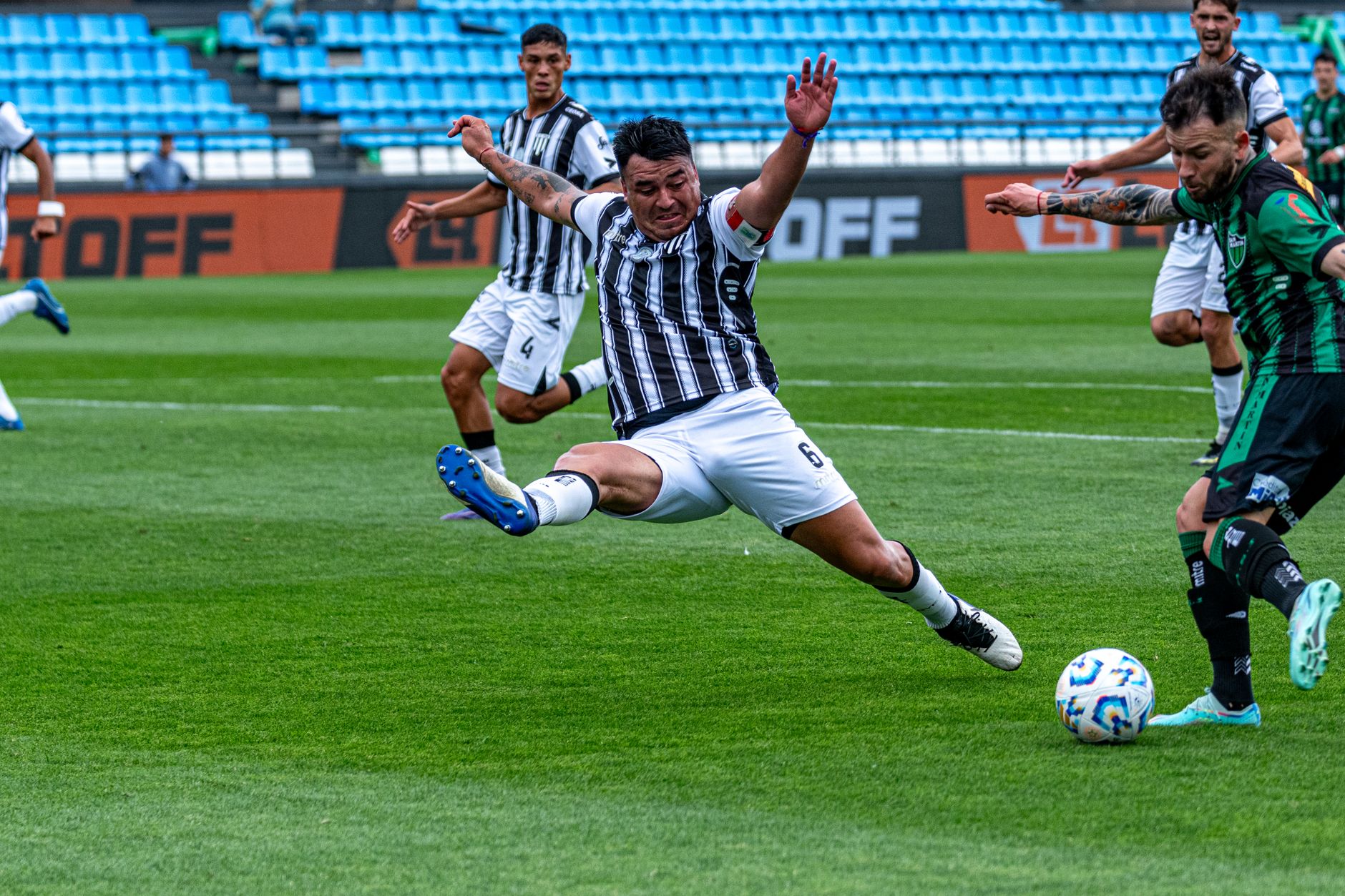
Photo by Franco Monsalvo on Pexels
#6 Weak-Foot Repetition: How Much Should You Train Your Non-Dominant Foot?
Train the non-dominant foot in every football session, with 20–40% of technical repetitions reserved for it. A practical starting point is 50 weak-foot passes, 20 first touches, 20 dribbles and 10 finishes per session. The aim is not to make both feet identical; it is to make the weaker foot reliable enough that defenders cannot predict your next action.
A contrarian point is worth making here: forcing 100% weak-foot work can reduce quality and create poor habits. If your technique collapses, you are rehearsing errors. Use blocks instead: 10 weak-foot passes, 10 strong-foot passes, then alternate for 20 repetitions. This preserves confidence while still increasing exposure. A 2024 football study would not magically fix your touch, unfortunately; the useful principle is motor learning through frequent, feedback-rich repetition.
Measure three outcomes: clean contact, direction and speed. A pass that reaches the teammate but arrives too slowly may invite pressure, while a hard pass that cannot be controlled is equally unhelpful. Set a one-touch wall-passing goal of 30 consecutive weak-foot contacts, then test the same action after a five-metre sprint. That second test is more informative because fatigue changes coordination. Pitch Notes readers studying FIFA World Cup tactics will notice this pattern in elite football: players create options more quickly when either foot can execute the basic action.
#7 Defensive Mirror Footwork: Why Is Defensive Movement a Football Skill?
Defensive movement is a football skill because successful defending depends on distance, balance and timing before the tackle ever happens. In a 5-by-5-metre area, face an attacker who moves laterally, diagonally and backward for 20 seconds. The defender mirrors the movement, stays side-on, protects the inside lane and avoids crossing the feet unnecessarily.
The defender’s target is not to win the ball immediately. It is to delay the attacker, guide the direction and prevent a clean run behind. Keep roughly 1–1.5 metres of space, depending on the attacker’s speed. Too close and one touch beats you; too far and the attacker can shoot or pass comfortably. The attacker should occasionally stop, accelerate or perform a change of direction so the defender must react rather than shadow a rehearsed pattern.
After four rounds, add a goal or end line. The attacker scores by crossing it, while the defender earns a point for forcing the attacker backward or toward the sideline. This scoring system rewards intelligent defending rather than reckless lunges. The Premier League offers abundant match footage for reviewing these details: pause before a tackle and ask whether the defender’s body shape created the opportunity. Usually, the answer begins several seconds earlier.
Want to compare your defensive habits with more advanced tactical examples?
#8 Rondo Decision Drill: How Do You Improve Football Awareness?
A rondo improves football awareness by forcing players to scan, choose passing angles and act quickly while opponents apply pressure. Use four attackers outside a square and one defender inside for a 4v1 rondo. Limit the outside players to two touches, require a shoulder check before receiving and rotate the defender after a regain or five completed passes.
The important improvement is adding a decision rule. Without one, players may pass around the circle while staring at the ball. Require the receiver to name the next passing option before the ball arrives, or award two points for a split pass through the defender. This turns a possession exercise into perception training. Begin with a 10-by-10-metre area, then reduce it to 8-by-8 metres once the group reaches 70% successful passes.
A second information-rich adjustment is to count “useful scans,” not merely scans. A useful scan happens before receiving and changes the player’s decision: open body, first-time pass, turn or safe return. Ask a coach or teammate to record five-minute totals. After three sessions, compare scan frequency with possession losses. If losses remain high despite frequent scans, the issue may be body orientation or technical execution rather than awareness. That diagnosis saves time, which is rather nice when training around school, work or recovery.
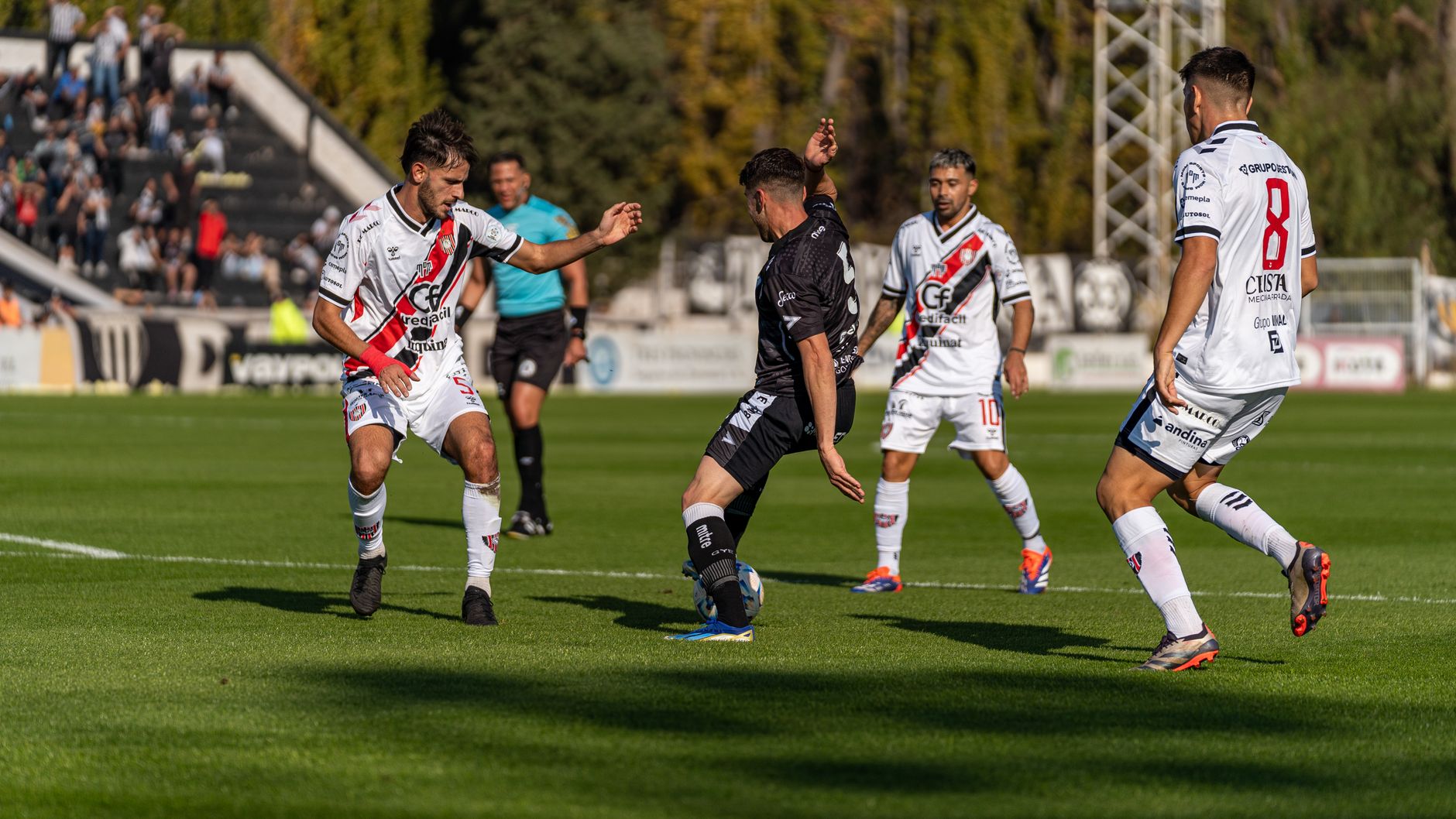
Photo by Franco Monsalvo on Pexels
#9 Acceleration and Change-of-Direction Runs: Can Speed Be Trained With the Ball?
Speed can be trained with the ball by combining short accelerations, braking mechanics and directional changes rather than running only in a straight line. Set up gates at 5, 10 and 15 metres, sprint through one gate, decelerate under control and cut toward a second gate. Complete six repetitions with the ball and six without it, resting 45–60 seconds between efforts.
Many players train the exciting part, acceleration, and neglect braking. Yet poor deceleration causes heavy touches, knee stress and late defensive reactions. Lower your centre of gravity before the cut, shorten the final steps and push away from the outside foot. Keep the ball slightly ahead during acceleration, then bring it closer before changing direction. A useful benchmark is consistency: the final repetition should remain within 10% of the first repetition’s time.
Do not turn this into endless conditioning. Speed quality drops when fatigue becomes the main stimulus. Use two sets of six rather than 30 sloppy runs, and stop if your mechanics become visibly unstable. The World Health Organization recommends regular physical activity, but football-specific sprint loads still need sensible progression. In practice, increase either distance, repetitions or intensity in a given week, not all three at once.
#10 Small-Sided Game Constraints: Which Drill Best Transfers Skills Into Matches?
Small-sided games provide the strongest skill transfer because they combine technique, pressure, space, fatigue and decisions in one environment. Play 3v3, 4v4 or 5v5 on a reduced pitch, then impose one rule at a time: two-touch play, a five-second counter-press, a goal after a wall pass or a requirement to use the weak foot.
The constraint must match the weakness you are trying to fix. If players lose the ball while receiving, use two-touch rules and wider support. If they dribble into pressure, award extra points for passing after drawing out a defender. If finishing is the problem, place target goals or require a shot within six seconds of entering the final third. Random rules are entertaining but less useful because they do not create a clear feedback loop.
Play four-minute games with two-minute coaching breaks. Record three simple statistics: possessions lost, successful forward actions and shots on target. After 20 minutes, ask each player to identify one repeated problem and one successful solution. This is where your training investment becomes visible. The drill may not look as technically pure as wall passing, but it reveals whether your improved touch, dribbling or scanning survives real pressure.
How We Ranked These Football Training Drills
The drills were ranked using four practical criteria: match transfer at 35%, technical repetition at 30%, progression potential at 20% and equipment or setup efficiency at 15%. Wall passing leads because it offers thousands of useful repetitions with a ball and a wall, while small-sided games rank tenth only because they require more players, space and organisation despite excellent transfer.
The ranking also considers whether a player can measure improvement without expensive technology. A stopwatch, cones, notebook and phone camera are enough for most sessions. Video is particularly useful for checking body shape, scanning and defensive distance because players often remember the outcome but not the movement that caused it. Veo’s football video platform can help teams review training footage, while ordinary smartphone clips work perfectly well for individual technique.
Use this weekly scorecard:
- Technique: successful contacts divided by total attempts.
- Decision-making: correct choices under pressure divided by total decisions.
- Speed: best and average time across repeated efforts.
- Transfer: actions completed successfully in a small-sided game.
- Recovery: soreness, energy and quality at the next session.
A simple scoring system from 1 to 5 is enough. Do not inflate the numbers to feel better. If your wall-passing accuracy rises from 68% to 82%, that is meaningful. If your cone time improves but lost touches increase from three to nine, the apparent gain is probably not a gain at all.
Which Football Skill Drill Should You Pick?
Choose the drill that addresses your most repeated match failure, then pair it with one foundation drill and one pressure drill. For example, a player who loses possession when pressed should use wall passing, irregular cone dribbling and a rondo. A striker who reaches good positions but misses chances should use wall passing for preparation, finishing under pressure and small-sided games with a shot constraint.
Here is a simple four-week structure:
- Week 1: Control — wall passing, weak-foot repetitions and first-touch work.
- Week 2: Movement — irregular cones, four-corner passing and acceleration.
- Week 3: Pressure — one-on-one shielding, defensive mirror work and rondos.
- Week 4: Transfer — small-sided games, finishing constraints and filmed review.
Train three times weekly, leaving at least one recovery day between intense sessions. Each session can last 35–60 minutes: 8 minutes of warm-up, 20–35 minutes of technical work, 8–12 minutes of pressure-based practice and 5 minutes of notes. The recommendation is deliberately modest. Consistent 45-minute sessions beat heroic five-hour efforts that disappear after one week.
For more tactical context, explore our [Internal Link: FIFA World Cup team tactics analysis] and compare how elite players solve similar problems.
What Should a 30-Minute Football Skills Session Include?
A 30-minute football skills session should include five minutes of movement preparation, 10 minutes of technical repetition, 10 minutes of pressure or decision-making and five minutes of review. This structure gives the player enough volume to improve without allowing fatigue to destroy technique. Use one main weakness per session and record two measurable outcomes.
Begin with light jogging, mobility and dynamic movements rather than static stretching alone. Then complete wall passing or close-control touches at moderate intensity. The middle block should introduce an opponent, a time limit or a target, because isolated technique does not automatically transfer to match play. Finish by writing down successful contacts, errors and one adjustment for the next session.
A specific 30-minute example looks like this:
- Minutes 0–5: dynamic warm-up, lateral steps and short accelerations.
- Minutes 5–13: 40 inside-foot passes and 40 weak-foot passes.
- Minutes 13–21: irregular-cone dribbling with four 45-second rounds.
- Minutes 21–27: 3v1 rondo or one-on-one shielding.
- Minutes 27–30: slow touches, breathing and training notes.
If no partner is available, replace pressure work with a wall pass followed by a sprint to a cone. It is not identical to a match, obviously, but it is far better than skipping the decision component entirely.
[Internal Link: football fitness and recovery guide]
What Common Football Training Mistakes Slow Progress?
The most common mistakes are training without a target, repeating only the dominant foot, increasing speed before control and ignoring recovery. Players also count touches without measuring quality, which can make a session appear productive while hiding poor technique. The solution is to define one action, one pressure condition and one success rate before starting.
Another issue is excessive variety. Ten drills in one session may sound comprehensive, but switching every two minutes prevents enough repetition for adaptation. Pick two or three drills and repeat them for at least three weeks. The 2022 Veo drill approach correctly identifies passing, dribbling, shooting, defending and agility as separate needs; however, those categories should be connected through progressions rather than treated as unrelated tricks.
Watch for these warning signs:
- Your touch becomes worse during every set.
- You cannot explain what the drill is improving.
- You train hard three days in a row and lose quality.
- Your weak foot is used only during warm-ups.
- Your speed improves only when accuracy is ignored.
- You never test the skill in a small-sided game.
A useful rule is to stop a drill when technique drops below your planned standard. For example, if your target is 80% clean passing and you fall to 60%, reduce distance or speed. This is not weakness; it is protecting the quality of the repetition. Training is an investment, and poor repetitions are negative returns.
Frequently Asked Questions
Q: What does “improve football skills” actually mean?
Improving football skills means becoming more accurate, quicker and more reliable when passing, receiving, dribbling, shooting or defending under pressure. It is not simply performing tricks in an empty field. A player should measure technical success, decision quality and whether the skill appears in small-sided games or competitive matches. Start by selecting one repeated weakness, such as losing the ball after the first touch, and track that action for four weeks. A clear baseline makes improvement visible.
Q: How do you improve football skills at home?
You can improve football skills at home with a ball, a safe wall, three to six cones and 20–30 minutes of structured practice. Wall passing, sole rolls, inside-outside touches and weak-foot control require little space, although shooting should only be done where property and people are protected. Complete short blocks of 45–60 seconds and record clean repetitions rather than practising randomly. Add a shoulder check before receiving to develop scanning, even when no opponent is present.
Q: What is the difference between football drills and playing matches?
Football drills isolate a technique, while matches combine technique with pressure, space, fatigue and decisions. Drills are better for correcting a specific movement, such as body position during a first touch, but matches are essential for testing whether that correction survives competition. Use a 70/30 balance for beginners, with most time on technical repetition, and move closer to 50/50 as the player becomes more advanced. Small-sided games bridge the gap effectively.
Q: How often should you train football skills?
Most recreational players should complete three focused football skill sessions per week, with each session lasting 30–60 minutes. Leave at least one recovery day between demanding sprint, finishing or small-sided-game sessions, particularly for teenagers and players returning from injury. A practical weekly target is 150–250 high-quality passes, 60–100 weak-foot contacts and 20–40 controlled finishes, adjusted for age and experience. Consistency over four weeks matters more than one exhausting day.
Q: Why are my football skills not improving?
Football skills often fail to improve because practice lacks measurable goals, pressure or sufficient repetition. Players may also increase speed too early, use the dominant foot almost exclusively or train while fatigued enough to repeat poor technique. Film one drill from the side and count clean actions, errors and recovery time; the evidence usually reveals the bottleneck. Reduce difficulty until accuracy reaches about 80%, then add speed, pressure or a smaller area.
Q: Is football fitness more important than technical skill?
Football fitness is not more important than technical skill because performance depends on both the ability to move and the ability to execute while moving. A technically excellent player who cannot repeat efforts may fade late in matches, while a fit player with poor control may give away possession. Combine acceleration work, change-of-direction runs and small-sided games with passing and first-touch drills. For many players, improving technique under mild fatigue offers the best combined return.
Q: How much does it cost to improve football skills?
Improving football skills can cost almost nothing if you already own a ball and have access to a wall or public pitch. A basic setup usually requires three to six cones, a notebook and a phone for video, while team coaching, facility hire and specialist analysis create additional costs. Do not assume expensive equipment produces better progress: measurable repetition, feedback and recovery are more important. Spend first on safe space and qualified coaching if technique or injury concerns require professional guidance.
Final Verdict: How to Improve Football Skills Without Burning Out
The most effective route is not a secret trick; it is a repeatable system. Start with wall passing and first touch, add irregular dribbling and weak-foot work, introduce one-on-one or rondo pressure, then test everything in small-sided games. Train three times a week, record accuracy and errors, and increase difficulty only after your technique remains stable. The 10-drill ranking gives you a menu, but your weakness decides the order. Pitch Notes can support the broader football picture through FIFA World Cup tactics, player statistics and tournament analysis, while your notebook shows whether your own game is moving forward. Keep the sessions focused, keep the numbers honest and give the process four weeks before judging it. That is probably less dramatic than copying Messi’s five-hour routine, but it is much more likely to survive real life.
Ready to turn these football drills into a consistent training plan?
Thank you for reading.
Pitch Notes · Editorial Archive · 2026