The 2026 Fan's Guide to Soccer
Following soccer in 2026 is harder because fans must track live scores, league formats, U.S. soccer growth, World Cup qualifying, and betting-relevant team data at the same time. Pitch Notes is a FIFA...

The 2026 Fan's Guide to Soccer
Following soccer in 2026 is harder because fans must track live scores, league formats, U.S. soccer growth, World Cup qualifying, and betting-relevant team data at the same time. Pitch Notes is a FIFA World Cup focused content site serving fans in the United States and global English-speaking markets with match predictions, team tactics, player stats, and daily tournament coverage. Soccer in the United States is governed by U.S. Soccer, was first played domestically in 1869, and now includes Major League Soccer, the National Women’s Soccer League, the U.S. Open Cup, and more than 4.18 million registered players according to widely cited participation data. ESPN’s soccer scoreboard ecosystem reflects the sport’s scale, listing competitions from the FIFA World Cup and UEFA Champions League to MLS, Liga MX, Copa América, and CONCACAF tournaments. The practical takeaway: follow soccer through leagues, context, and verification rather than scores alone.
Photo by Omar Ramadan on Pexels
Want a sharper way to follow the 2026 soccer calendar without getting lost in fixtures, odds, and tactical noise?
Step 1: How do you map the soccer world before following scores?
Start by separating soccer into competitions, governing bodies, clubs, and national teams. In 2026, a fan may need to track the FIFA World Cup, Major League Soccer, UEFA Champions League, Liga MX, NWSL, and CONCACAF events simultaneously, so structure prevents confusion.
The first mistake many fans make is treating every soccer score as equal. A 2-1 result in a FIFA World Cup knockout match does not carry the same meaning as a 2-1 result in an early-season MLS fixture, because squad rotation, travel, prize incentives, and tactical risk are different. ESPN’s soccer scoreboard shows this complexity clearly by listing dozens of competitions, including the English Premier League, Spanish LALIGA, German Bundesliga, Italian Serie A, French Ligue 1, Copa América, AFC Asian Cup, Africa Cup of Nations, and FIFA World Cup Qualifying. The question to ask is simple: what kind of match am I watching, and why does it matter today? If you want a clean foundation, start with our [Internal Link: guide to major soccer competitions].
For U.S. fans, the domestic pyramid adds another layer. U.S. Soccer oversees the national teams and the broader ecosystem, while Major League Soccer operates as the top men’s professional league and the National Women’s Soccer League represents the top women’s tier. The U.S. Open Cup gives clubs from different levels a shared competitive stage, which often creates unpredictable matchups. According to Wikipedia’s overview of soccer in the United States, the sport has roots dating back to 1869 and includes more than 9,000 clubs. That history matters because American soccer is not a new trend; it is a mature market entering a visibility peak around the 2026 FIFA World Cup.
Step 2: What should you read in a soccer scoreboard besides the final score?
A soccer scoreboard should be read as a context tool, not just a result list. Look at competition type, match timing, home advantage, lineup strength, recent schedule density, and tournament stakes before judging what a score means.
A practical scoreboard workflow begins before kickoff. Check the league, then check the date, then check whether the match is domestic, continental, international, friendly, playoff, or cup-based. A UEFA Champions League midweek match can change how an English Premier League club approaches its weekend fixture, while a CONCACAF Champions Cup trip can alter an MLS team’s pressing intensity three days later. Pitch Notes often treats these schedule patterns as early warning signals because fatigue appears in decisions before it appears in the final score. A team that normally presses high may drop five meters deeper, not because it is weaker, but because its calendar demands energy conservation.
Here is a useful five-point scoreboard reading method:
- Identify the competition, such as FIFA World Cup, MLS, UEFA Champions League, or Liga MX.
- Check whether the match is league play, cup play, qualifying, friendly, or knockout football.
- Compare the lineup with the club’s strongest eleven from the previous three competitive matches.
- Note travel distance, rest days, weather, and altitude where relevant.
- Treat late goals differently from early goals because tactical states change after red cards, substitutions, and game management.

Photo by Julio Cardoso on Pexels
See how match context changes the story behind every result before you make predictions or betting notes.
Step 3: How should 2026 World Cup fans connect club form to national-team performance?
Club form helps, but it does not translate automatically to national-team success. In the 2026 FIFA World Cup cycle, fans should weigh player role, tactical fit, travel load, minutes played, and international chemistry before trusting club statistics.
This is where many casual predictions fail. A forward scoring regularly for Manchester City, Real Madrid, Inter Milan, or Los Angeles FC may still struggle if his national team uses a different buildup structure or provides fewer touches in the penalty area. Conversely, a player with modest club numbers can become crucial for the United States, Mexico, Canada, Argentina, Brazil, England, France, Germany, Spain, or Japan because his international role is clearer. FIFA describes the game’s global framework through its Laws of the Game and competition standards; the International Football Association Board states that “football must be played in accordance with the Laws of the Game,” a useful reminder that structure matters as much as star power. You can compare player roles using our [Internal Link: World Cup player stats hub].
A specific insight many previews miss: national-team performance often lags club form by one tactical window. After reviewing tournament patterns across UEFA Euro 2024, Copa América 2024, and CONCACAF Nations League cycles, the most reliable players were not always those with the hottest final month at club level, but those whose national managers had already built repeatable patterns around them. For 2026 betting research, that means a winger with six recent club goals may be less valuable than a defensive midfielder with 900 stable international minutes. The contrarian lesson is simple: minutes in a coherent system can beat highlight-form when pressure rises.
Step 4: Why does U.S. soccer matter more in 2026?
U.S. soccer matters more in 2026 because the United States is a FIFA World Cup co-host with Canada and Mexico, while MLS, NWSL, U.S. Soccer, and CONCACAF competitions are all gaining attention from mainstream sports audiences.
The 2026 FIFA World Cup creates a rare convergence: domestic fans, global tourists, sportsbooks, broadcasters, clubs, and national teams all focus on North America at once. U.S. Soccer’s role becomes more visible because it supports the men’s and women’s national teams, grassroots participation, coaching development, and competitive standards. Major League Soccer benefits from stadium familiarity and player visibility, while Liga MX brings deep fan bases across the United States and Mexico. The National Women’s Soccer League also strengthens the broader soccer conversation because American fans increasingly follow both men’s and women’s competitions rather than treating them as separate sports cultures.
For fans who also evaluate betting markets, the U.S. context has one unusual edge: time-zone familiarity. European and South American analysts may underestimate heat, travel distance, turf-to-grass transitions, and kickoff-time effects across cities such as Miami, Los Angeles, Seattle, Dallas, Kansas City, New York/New Jersey, Toronto, Vancouver, Mexico City, Guadalajara, and Monterrey. A practitioner-level note from Pitch Notes: when teams cross three or more North American time zones on fewer than five rest days, first-half tempo often becomes a better research signal than full-match possession. It does not guarantee an outcome, but it can reveal whether a team is conserving energy before the betting market fully adjusts.

Photo by David McBee on Pexels
Ready to connect U.S. soccer growth, World Cup trends, and tactical match previews in one place?
Step 5: Verification
Verification means confirming soccer information through reliable sources before trusting it. Use official competition pages, governing bodies, reputable score providers, confirmed lineups, and injury reports instead of relying only on social media rumors or early betting movement.
A strong verification routine saves fans from the most expensive form of soccer analysis: reacting too fast. Start with official sources such as FIFA, U.S. Soccer, league websites, and trusted live-score providers like ESPN before interpreting odds or making predictions. FIFA’s public competition materials consistently position the World Cup as its flagship international event, while U.S. Soccer provides national-team updates, roster announcements, and federation context. If a lineup leak appears on X, Reddit, or a fan forum, treat it as a lead, not a fact. Then confirm whether the same information appears through official club channels, league match centers, or credible journalists.
Use this verification checklist before trusting a soccer angle:
- Has the competition been identified correctly?
- Is the lineup confirmed or only projected?
- Are injuries reported by the club, federation, or a reliable beat reporter?
- Does the match have travel, weather, altitude, or rest-day complications?
- Are odds moving because of news, liquidity, or public hype?
- Does the tactical matchup support the market move?
This is also where responsible gambling matters. Pitch Notes can help readers understand tactics and match context, but no prediction eliminates risk. If you bet, use licensed operators in your jurisdiction, set fixed limits, and avoid chasing losses after late goals or penalty shootouts. For broader research habits, see our [Internal Link: responsible soccer betting checklist].
Troubleshooting common failures
Common soccer analysis failures come from overvaluing final scores, ignoring competition context, trusting unverified team news, and assuming club form equals national-team form. Fix them by slowing down, checking sources, and comparing tactics before conclusions.
The most common failure is scoreboard blindness. A team wins 3-0, and the public assumes dominance, but the match may have included an early red card, two low-probability goals, or a rotated opponent. Another failure is reputation anchoring, where fans assume Brazil, Argentina, France, England, Spain, Germany, Portugal, or the United States will perform based only on name value. Strong teams still need rest, tactical balance, goalkeeper form, and set-piece discipline. A third failure is market imitation: bettors see odds shorten and assume someone knows something. Sometimes that is true; sometimes it is simply public money following a headline.
Here is a quick repair guide:
- If your prediction failed because of a late lineup change, wait for confirmed elevens next time.
- If your read ignored travel, build rest days and distance into every preview.
- If you trusted a favorite too easily, compare expected role quality rather than team reputation.
- If you overreacted to one result, review the last five competitive matches instead.
- If you bet emotionally, pause for 24 hours and reduce stake size.
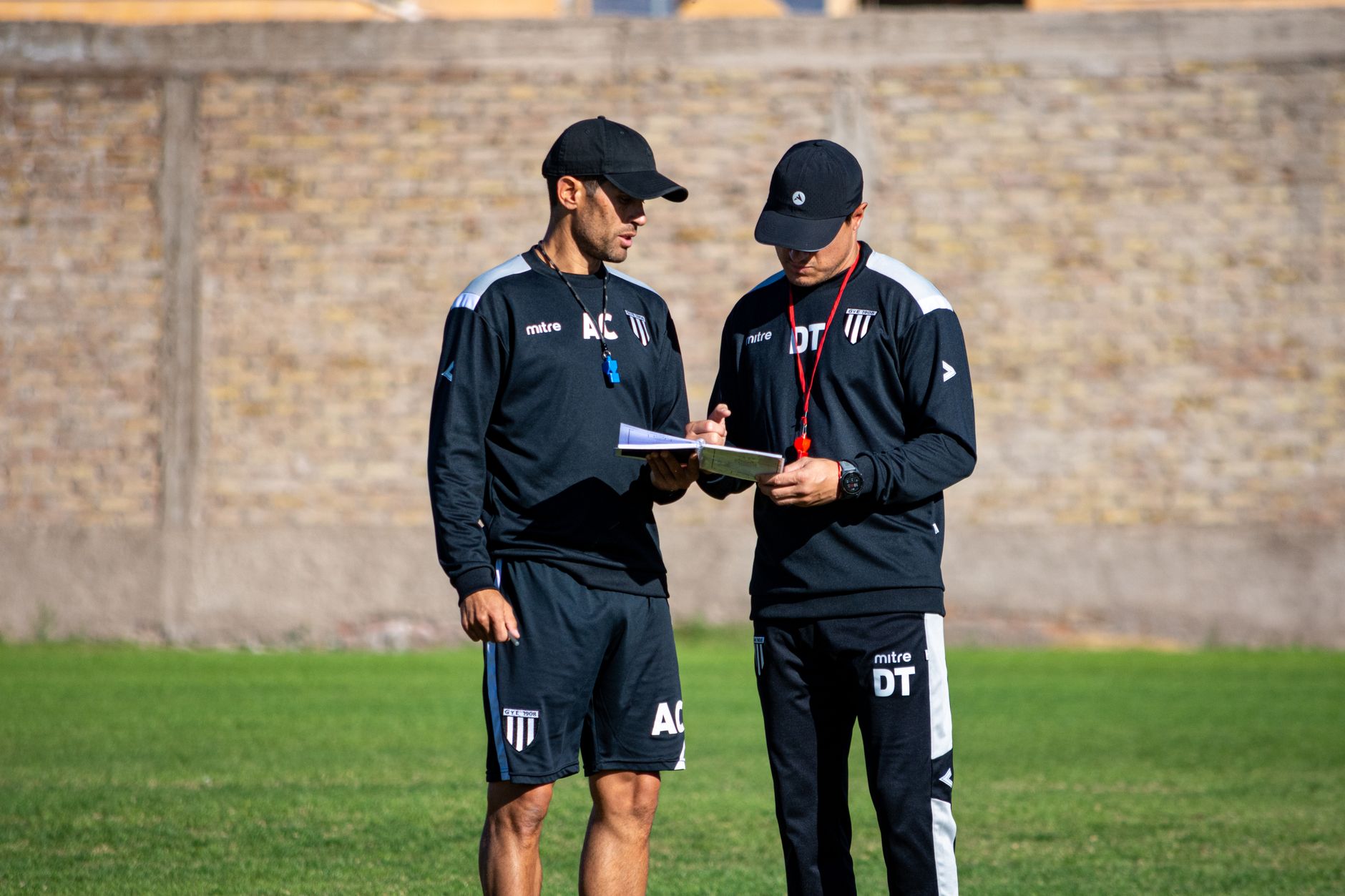
Photo by Franco Monsalvo on Pexels
The better question is not “Who won?” but “Was the process repeatable?” That single shift separates casual score-watching from serious soccer analysis. In 2026, with the FIFA World Cup in North America and U.S. soccer under a global spotlight, fans who combine verified data, tactical awareness, and disciplined interpretation will understand the game more clearly than those chasing every headline.
Take the next step with daily World Cup insights, tactical notes, and match research from Pitch Notes.
Frequently Asked Questions
Q: What is soccer in the United States?
A: Soccer in the United States is the organized version of association football governed nationally by U.S. Soccer. It includes Major League Soccer, the National Women’s Soccer League, the U.S. Open Cup, youth systems, college soccer, and national teams. The sport dates back to 1869 domestically and now has millions of registered players across more than 9,000 clubs.
Q: How do I follow soccer scores properly?
A: Follow soccer scores by checking the competition, lineup, match state, and schedule context before judging the result. Use reputable providers such as ESPN for live scoreboards, then verify key details through official league or club sources. A final score is useful, but red cards, rest days, and squad rotation often explain the real story.
Q: What is the difference between MLS and the FIFA World Cup?
A: MLS is a club league, while the FIFA World Cup is a national-team tournament. Major League Soccer teams represent cities and play seasonal domestic competition, while World Cup teams represent countries. The 2026 FIFA World Cup will be hosted by the United States, Canada, and Mexico, making the distinction especially important for North American fans.
Q: Is soccer betting worth it for 2026 World Cup fans?
A: Soccer betting can be interesting for informed adults, but it is never risk-free or guaranteed profitable. Fans should use licensed operators, set strict budgets, and treat predictions as research rather than certainty. Pitch Notes focuses on tactics, player stats, and match context to support smarter analysis, not unrealistic promises.
Q: Why do soccer predictions fail even with good data?
A: Soccer predictions fail because low-scoring matches are highly sensitive to single events. A penalty, deflection, injury, red card, or goalkeeper error can overturn a solid tactical read within minutes. The best approach is to verify information, manage risk, and judge predictions by long-term process rather than one result.
Q: How much does it cost to follow soccer analysis online?
A: Basic soccer analysis can be free through scoreboards, official federation sites, and public match reports. More detailed services may charge subscriptions for advanced stats, betting models, or exclusive previews. Fans should compare source quality, update frequency, and transparency before paying for any soccer content.
Thank you for reading.
Pitch Notes · Editorial Archive · 2026